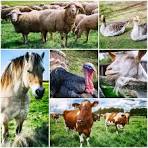
1. Introduction to Animal Production
Animal production is the branch of agriculture concerned with the breeding, rearing, and management of livestock for food, income, and other products.
Importance
- Provides food (meat, milk, eggs)
- Source of income and employment
- Supplies raw materials (leather, wool)
- Manure for soil fertility
- Cultural and social value
2. Classification of Farm Animals
- Ruminants: cattle, sheep, goats (have a four-chambered stomach)
- Non-ruminants: pigs, poultry, rabbits (simple stomach)
3. Animal Nutrition
Types of Nutrients
- Carbohydrates – energy
- Proteins – growth and tissue repair
- Fats – energy reserve
- Vitamins – disease prevention
- Minerals – body functions
- Water – essential for life
Feeds
- Roughages (grass, hay, silage)
- Concentrates (grains, oilseed cakes)
4. Animal Breeding
- Selection of superior animals
- Methods:
- Inbreeding
- Outbreeding
- Crossbreeding
- Artificial insemination (AI)
Objectives
- Improve productivity
- Enhance disease resistance
- Improve quality of products
5. Animal Health Management
- Common diseases (e.g., foot-and-mouth, mastitis)
- Parasites (internal and external)
- Prevention:
- Vaccination
- Proper hygiene
- Balanced feeding
- Regular deworming
6. Animal Housing
- Provides shelter and protection
- Ensures proper ventilation and sanitation
- Types:
- Intensive system
- Extensive system
- Semi-intensive system
7. Livestock Production Systems
- Extensive system: animals graze freely
- Intensive system: animals confined, high input
- Semi-intensive system: combination of both
8. Common Livestock Enterprises
- Cattle production (dairy and beef)
- Poultry production (layers and broilers)
- Pig production
- Sheep and goat farming
9. Animal Products and By-products
- Milk and dairy products
- Meat
- Eggs
- Wool, hides, and skins
- Manure
10. Record Keeping
- Breeding records
- Health records
- Production records
- Financial records
11. Marketing of Animal Products
- Local and international markets
- Factors affecting marketing:
- Quality
- Demand and supply
- Transportation
- Storage
12. Challenges in Animal Production
- Diseases and parasites
- High cost of feeds
- Climate change
- Poor management practices
- Limited access to markets
13. Modern Trends in Animal Production
- Use of technology (AI, automation)
- Improved breeds
- Sustainable farming practices
- Value addition
- Teacher: martin khaoya